
Understanding the True Costs of DIY Home Repairs Before Selling


Introduction to DIY Home Repairs
Embarking on a DIY home repair journey before selling your home can seem like a cost-effective way to boost its market value. However, it's crucial to understand the true costs associated with these projects. While you might save on labor, other expenses could quickly add up, potentially leading to unforeseen financial burdens.

Materials and Tools
The first cost to consider is the materials. Quality supplies are essential to ensure that repairs are durable and meet potential buyers' expectations. Additionally, specialized tools might be necessary, which can be costly if you don’t already own them. Renting tools is an option, but those costs can accumulate over time.
Time Investment
Time is another significant factor. DIY projects can take much longer than anticipated, especially if you're inexperienced. This extended timeline can delay your home’s entry into the market, potentially missing out on prime selling seasons and affecting your overall sale strategy.

Quality and Expertise
While DIY repairs can be rewarding, they often lack the polish and precision of professional work. Mistakes or subpar finishes can lead to negative impressions during showings, impacting offers. In some cases, poorly executed repairs might necessitate hiring a professional to fix mistakes, leading to additional costs.
Permits and Regulations
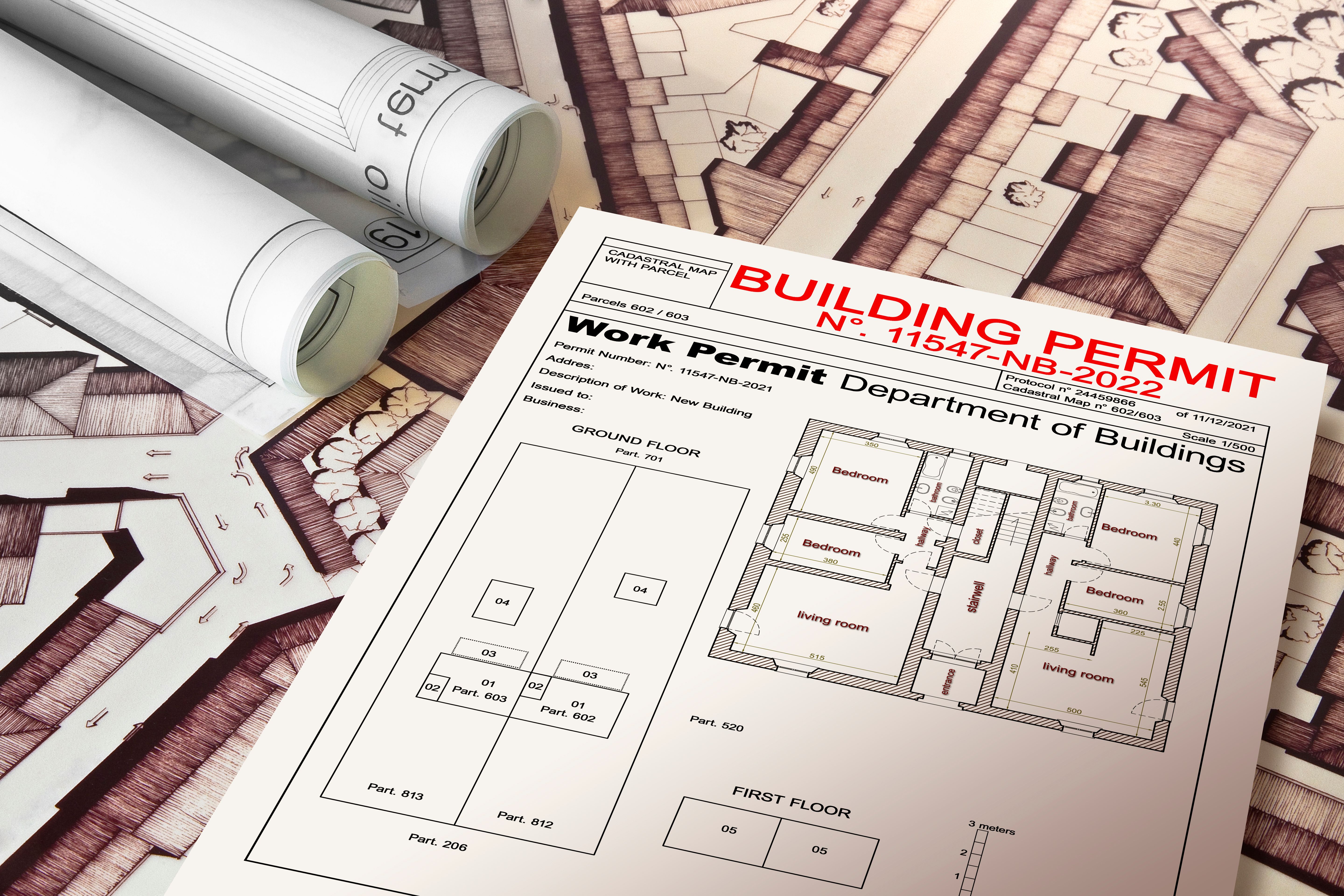
Some home repairs require permits, and failing to obtain them can lead to fines and complications during the selling process. Understanding local regulations and ensuring compliance is critical, which can add another layer of complexity and expense to your DIY efforts.
Opportunity Costs
Consider what you might be sacrificing by dedicating your time to DIY repairs. The opportunity cost of time spent on these projects could be substantial, especially if it detracts from other aspects of preparing your home for sale, such as staging or marketing efforts.
Evaluating True Savings
When weighing the decision to undertake DIY repairs, it's essential to compare potential savings against the risks and hidden costs. In some instances, hiring a professional might be more cost-effective in the long run, providing peace of mind and ensuring quality outcomes.

Conclusion
Before diving into DIY home repairs, take the time to evaluate all associated costs and potential pitfalls. By understanding the true expenses and challenges, you can make informed decisions that align with your selling goals and ultimately enhance your home’s appeal to buyers.